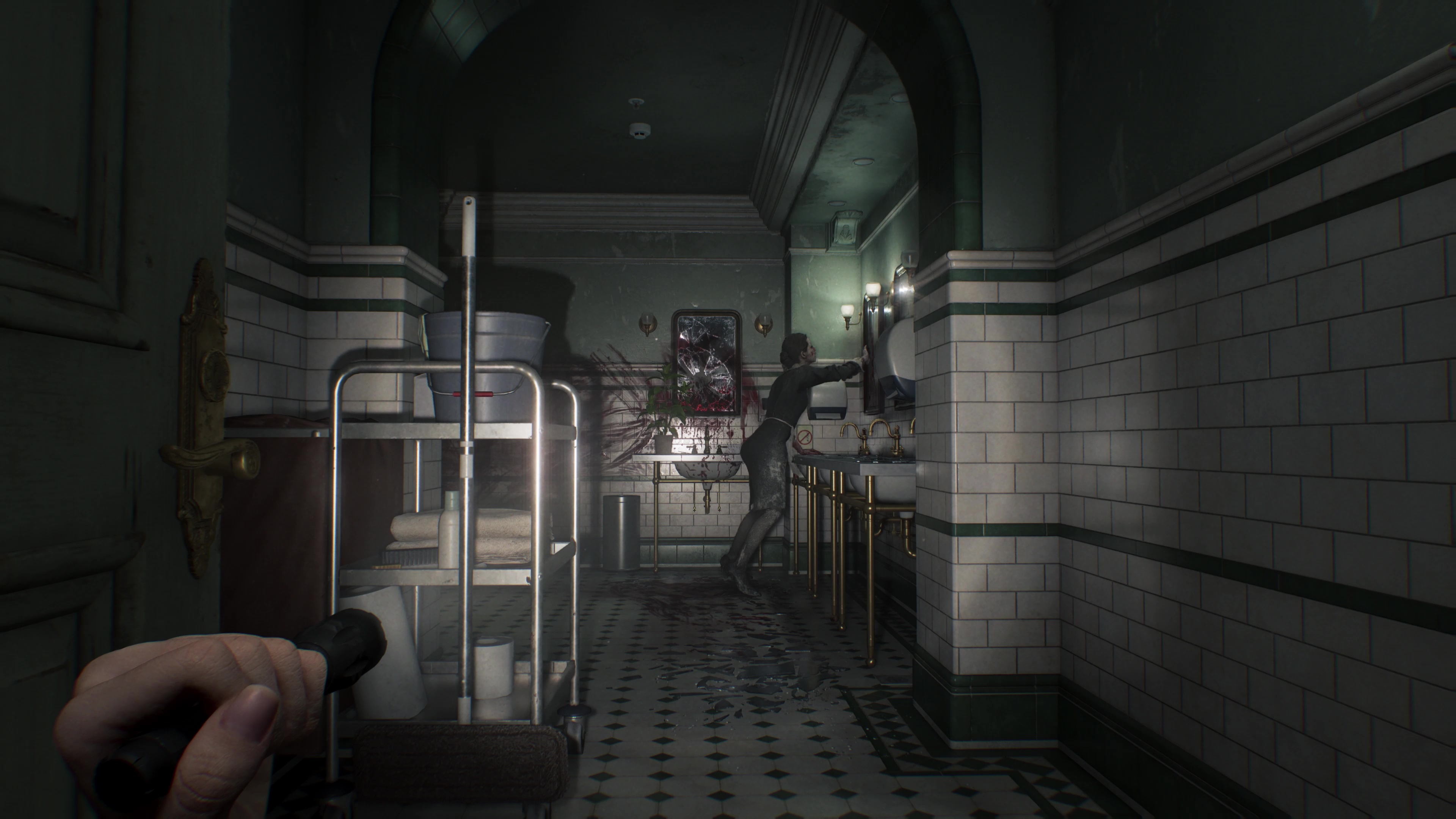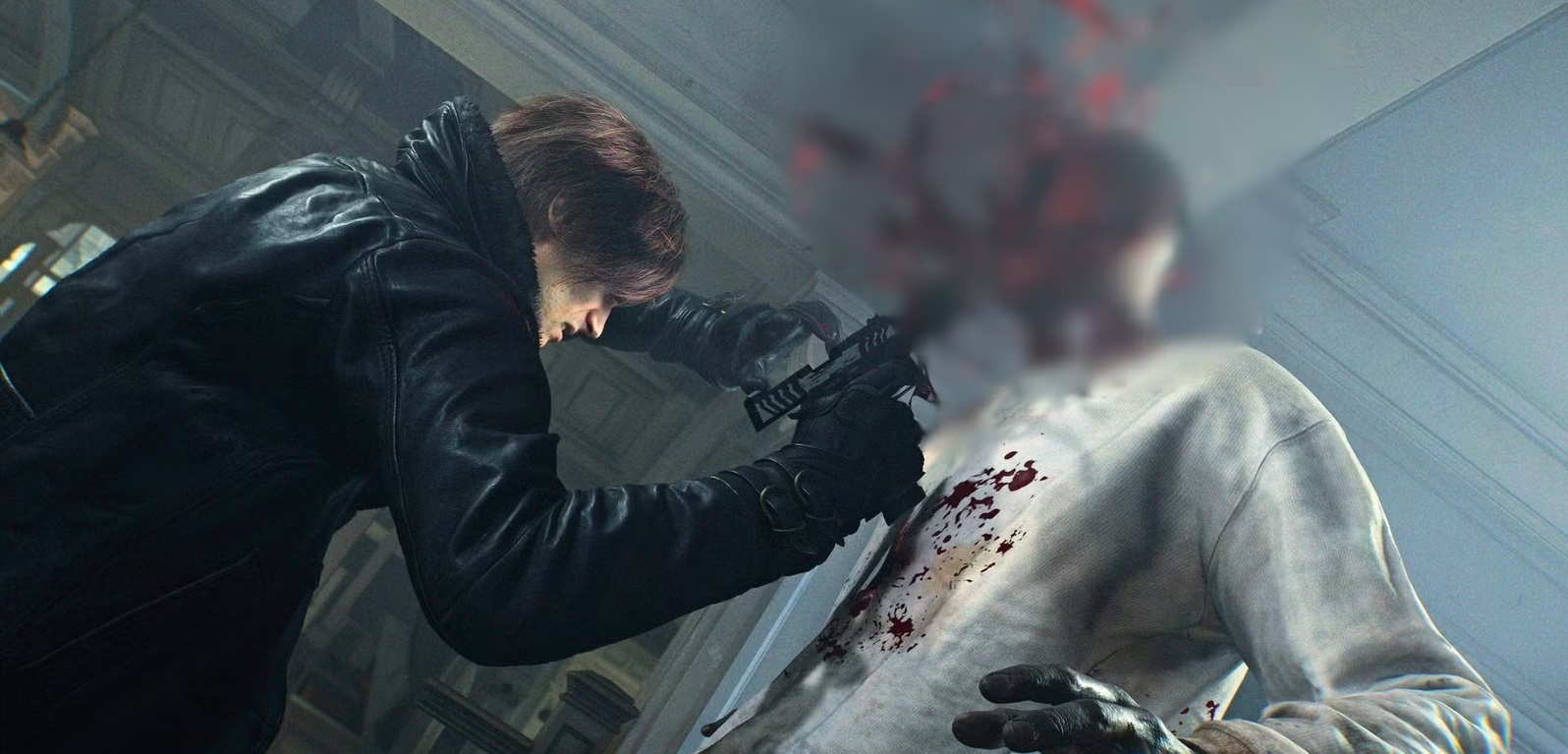
The ninth in the Bio-Crisis series, officially launched on 27 February, received general positive feedback from players and the media. The horror action game, which is the subject of a dead body, is bound to have big, bloody content. However, Japanese players have found that the bloody images of the game were blacked out under local censorship, leading to a hardening of the scene and the destruction of the insinuation, prompting criticism from the players.
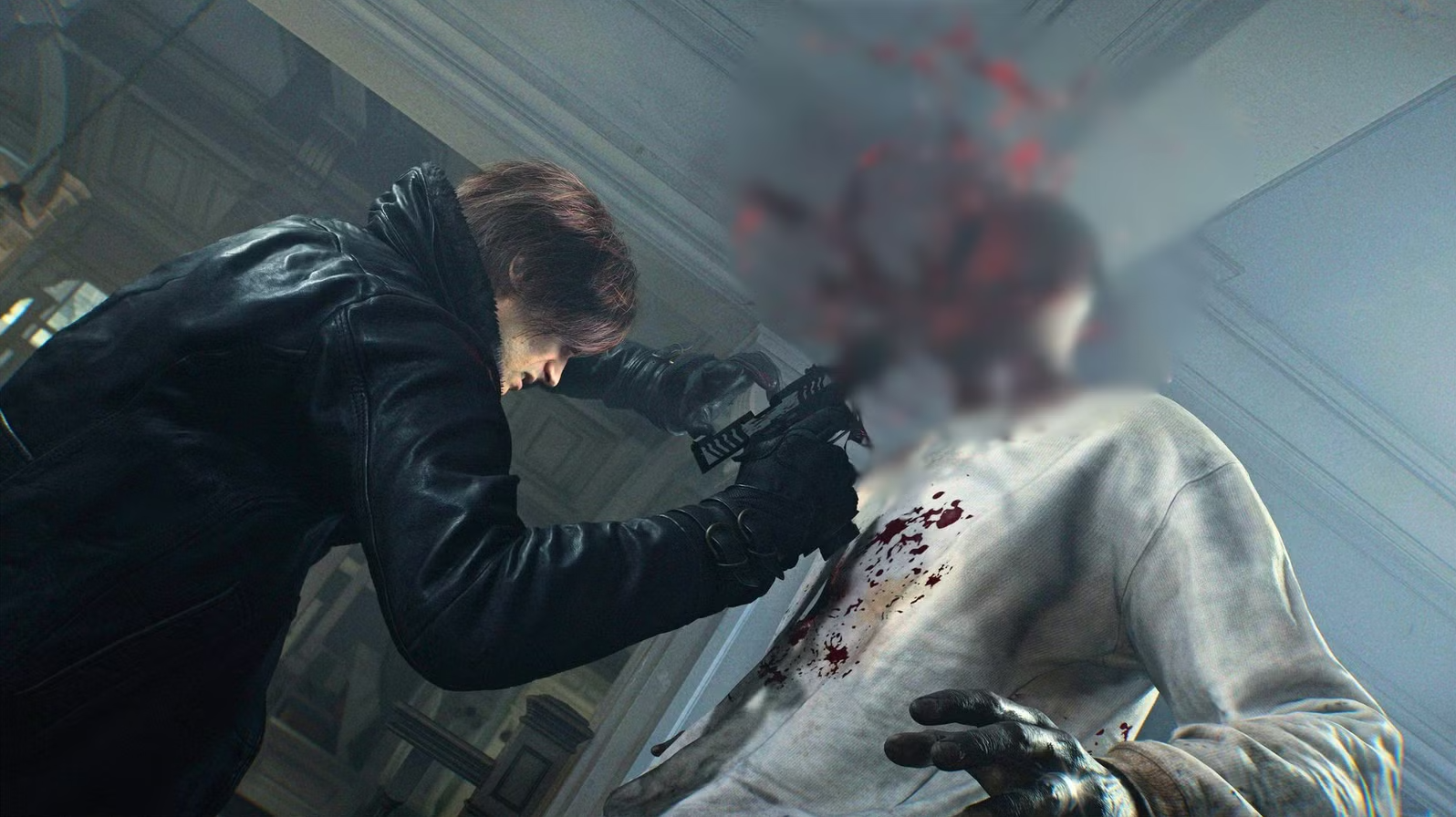
As one of Japan ‘ s leading survival terror game series, Karp had previously come up with creative means of auditing to meet the strict requirements of the CERO of the Japanese game classification committee. According to The Gamer, in the Japanese version of Biochemical Crisis 7, Karp emptied the head of the refrigerator to replace the photo of the deceased. At other times, the bloody scenes (especially the amputations) were completely removed from the daily editions, including the bloody Lyon Death Animation in The Biochemical Crisis 4. Before the sale of Bio-Crisis: The Spirit, Game Director-General Middle West Xianxi spoke about a trial version of CERO Z’s (18+) rating in a Japanese media interview with Game Watch. He said: “Although it is not exactly the same as the global version, I think the daily version players experience quite closely in “The Spirit.” As a result, it became clear that the review of the final game release was not bought by the daily players.
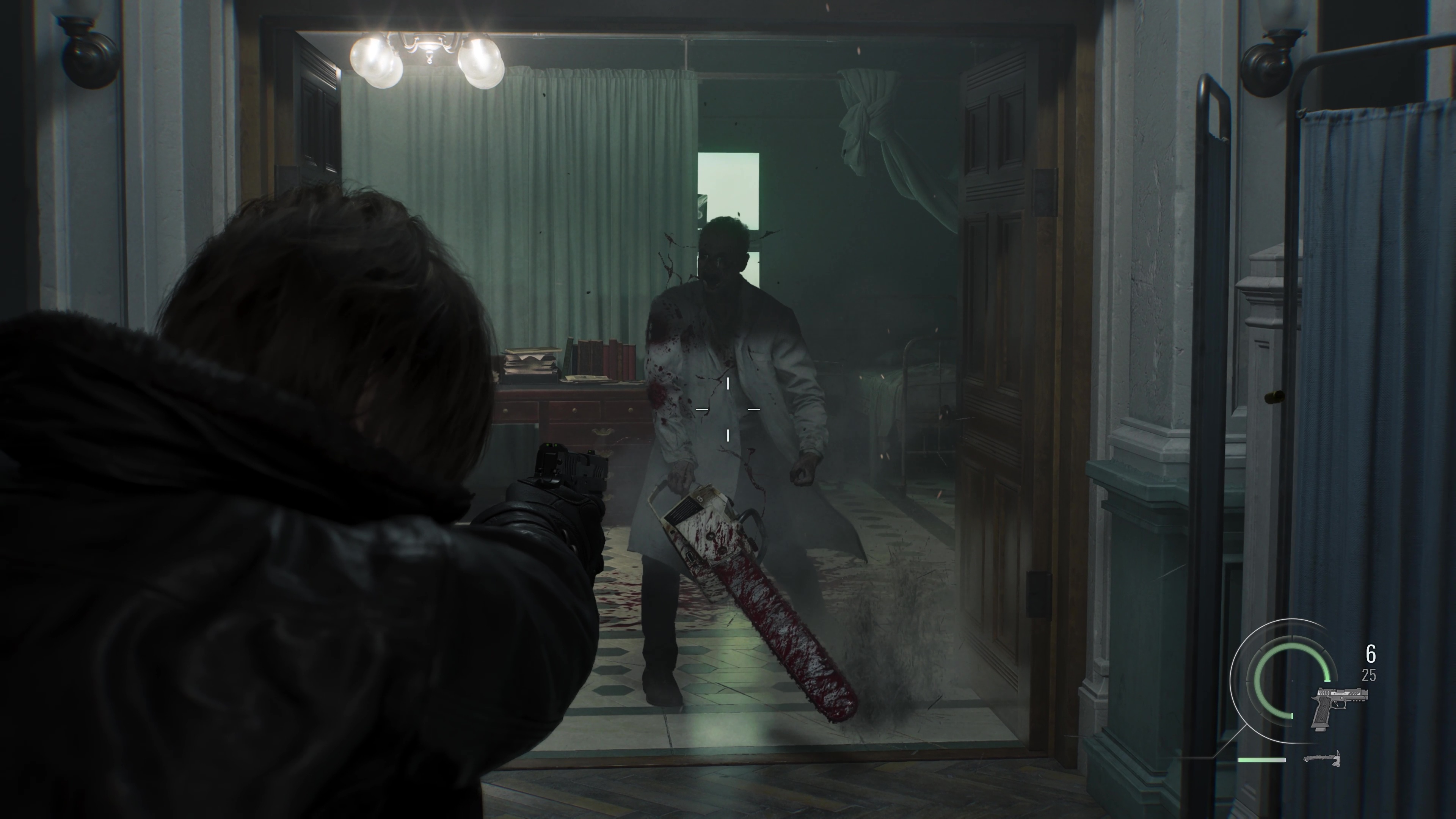
Daytime players pointed out in Reddit posts that Karp had begun using a blackout of blood and internal organs to cover up amputations, starting with the Biochemical Crisis Reproduction 4. By the time it became more “aggravated”, the whole missing part was painted in black, and it appeared to be anomalous. For example, there is a decryption mission in the game that requires artificial heart and lung in exchange for a second-degree identification bracelet, which is completely black throughout the body and in the heart. The player lamented: “This kind of censorship seems to me to be a little overstretching, and it seriously undermines the insinuation of the game.”
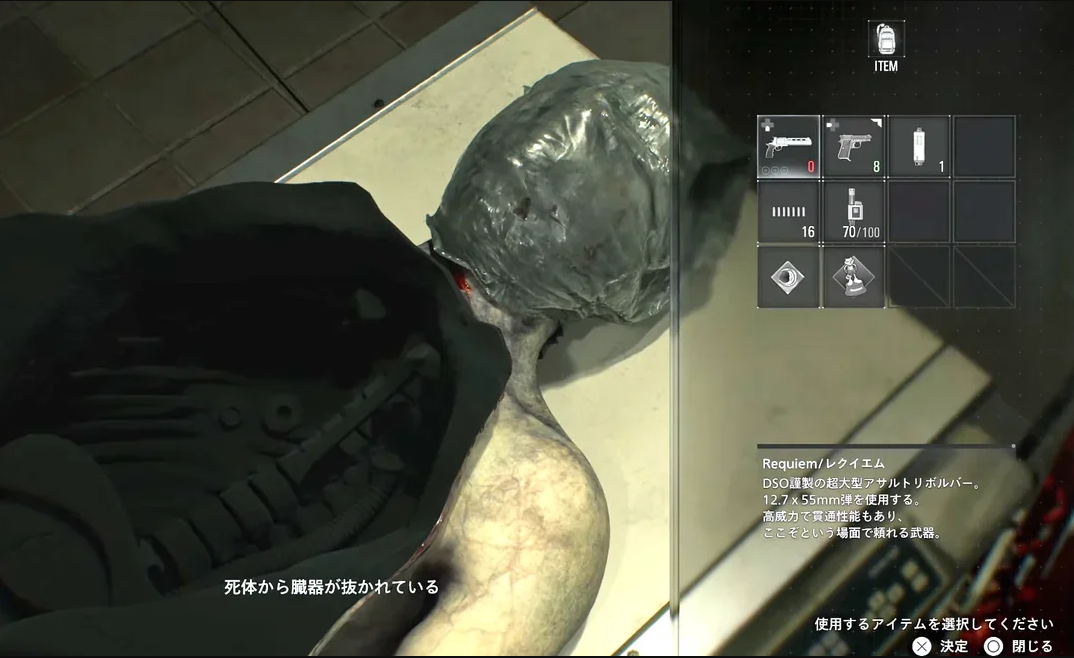
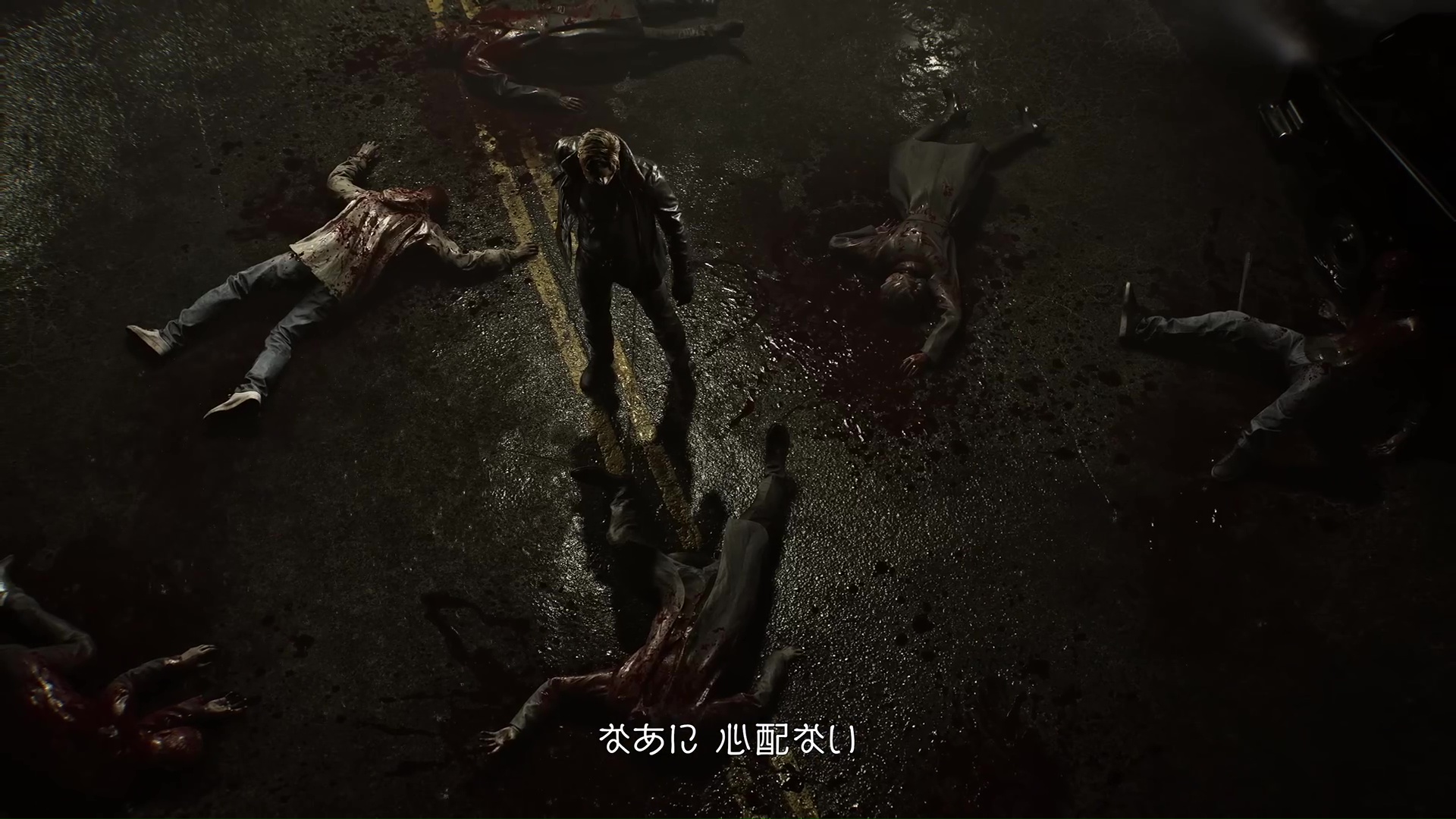
Although many senior Japanese players have long had the psychological expectation that Japan’s bio-chemical crisis will be revised, there are still a number of people who believe that the review of The Spirit is far more excessive and even unacceptable. Some Japanese players say, “I understand that censorship restrictions are inevitable, and the problem is that things are getting worse from the beginning of the “Biochemical Crisis 4″ version. I would have no complaints if the auditing standards were the same as the ” Biochemical Crisis 4″ version.” One passer-through player said: “The game itself meets expectations, but CERO’s approval castration feels too abrupt and even excessive.” Another player added: “The blood in the animation is red, but the damage to the dead is black, which bothers me.”
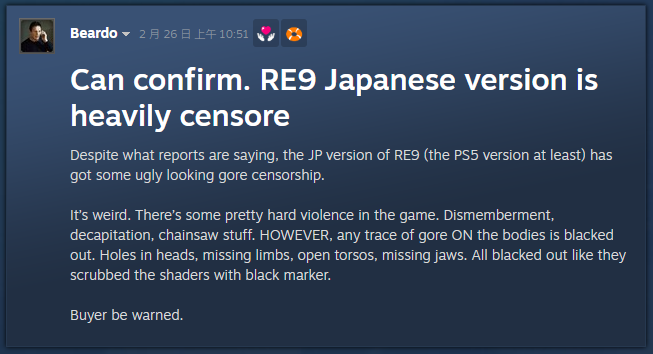
The same auditing issues were reported by the daily version of ” The Spirit” player on Steam, and even some of the players were refunded as a result. Some X users have suggested that Japanese players who want to have a full experience buy unreactivated overseas versions of Steam, also supporting the localization of Japanese.
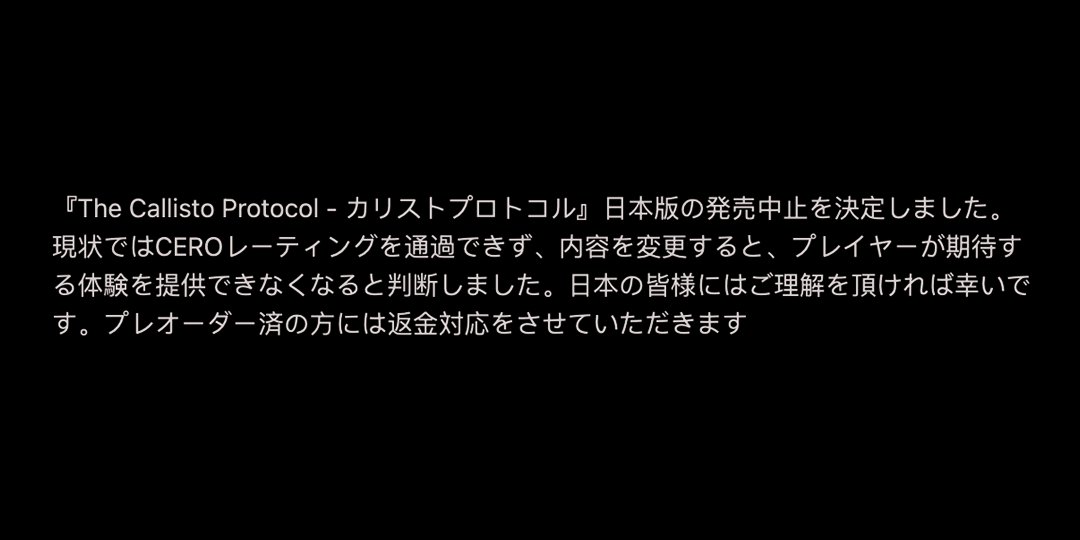
Then why is the Japanese edition castrated? To issue a physical version of a game on a Japanese mainframe platform, it must be graded through a CERO. CEROs are divided into five age groups, up to CERO Z (18+), and are included in Biochemical Crisis: The Spirit. CERO has always been strict in its censorship of the scenes of blood, in particular amputations, beheadings and horrors. Previously, the developmenter of the IVA Agreement, Striking Division Studios, had stalled the distribution plan in Japan because the game had not been modified as required by the CERO. On Twitter, Striking Disability Studies stated that such a review would undermine the player ‘ s expectations.
As for digital games, distributors can try to obtain IARC ratings because IARC has received support in Japan from online shops, including Nintendo eShop and SonyPlayStation. However, for the distribution of the physical host game, the CERO must be cleared. It is worth noting that if the first review is not adopted, the developer will not only modify the content of the game, but will also have to consider the time and cost of re-approving. In addition to the cost of the review, the issuer would have to pay for the transplantation of each planned physical version of the mainframe platform. This makes the acquisition of CERO ratings costly in time and money (especially for independent developers). Despite the fact that Karp is empty, independent game developers who are short of funds, the strict scrutiny of the blood content by the CERO, combined with the close, well-written feature footage from Biochemical Crisis: The Spirit, prompted it to adopt a conservative strategy to cover sensitive content with black areas.