
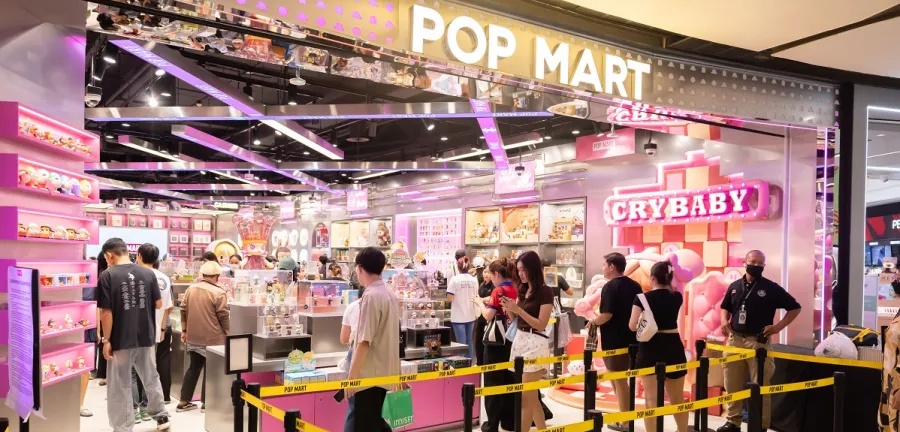
Singapore was in the early stages of a new law on blind boxes and swap card-based products, but the authorities had also expressed their intention not to introduce a one-size-fits-all policy to ban the industry.
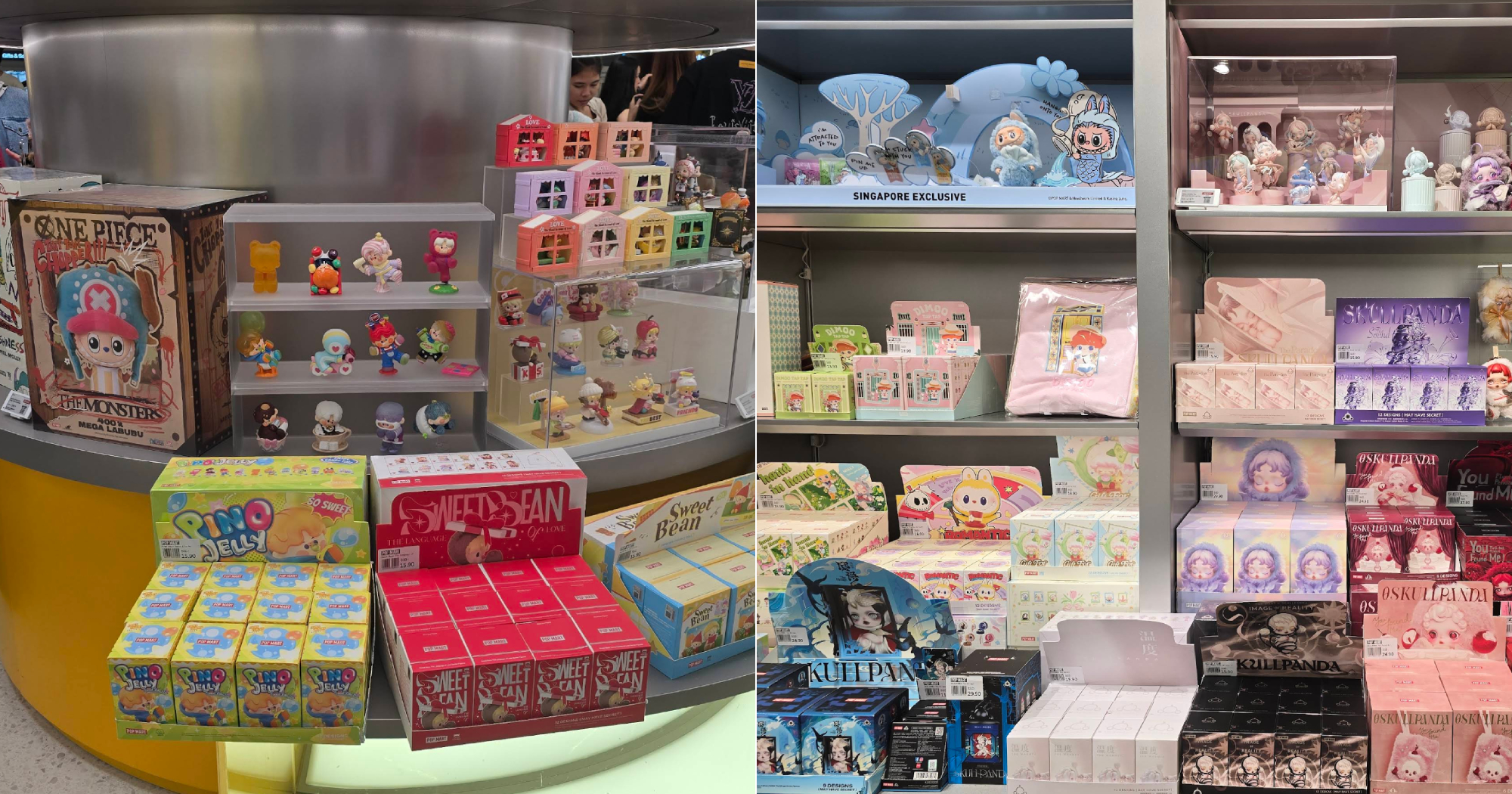
In a written response to the Singapore Parliament, the Minister for National Security Coordination and Home Minister of Singapore, Casveswanazan Shamugen, clarified that the current focus of the authorities was to reduce the gambling associated with the blind box and that there were no plans to remove such products from the market. Singapore Congressman Zhang Wengjie had previously asked whether, under future regulations, retailers would be required to open sealed card bags and sell cards separately. Shamugen rejected this possibility, stating that it would completely destroy the business model of the blind box. The blind box is a sealed product and the customer does not know what to buy before opening the packaging. Often used in areas such as the collection of dolls, toys and swap cards, sellers often pursue rare or limited-volume goods. In recent years, blind boxes have grown rapidly in Asian markets, especially among young consumer groups. A “mysterious”-centred set of card games and collection brands, both online and physical retail stores, are well received.
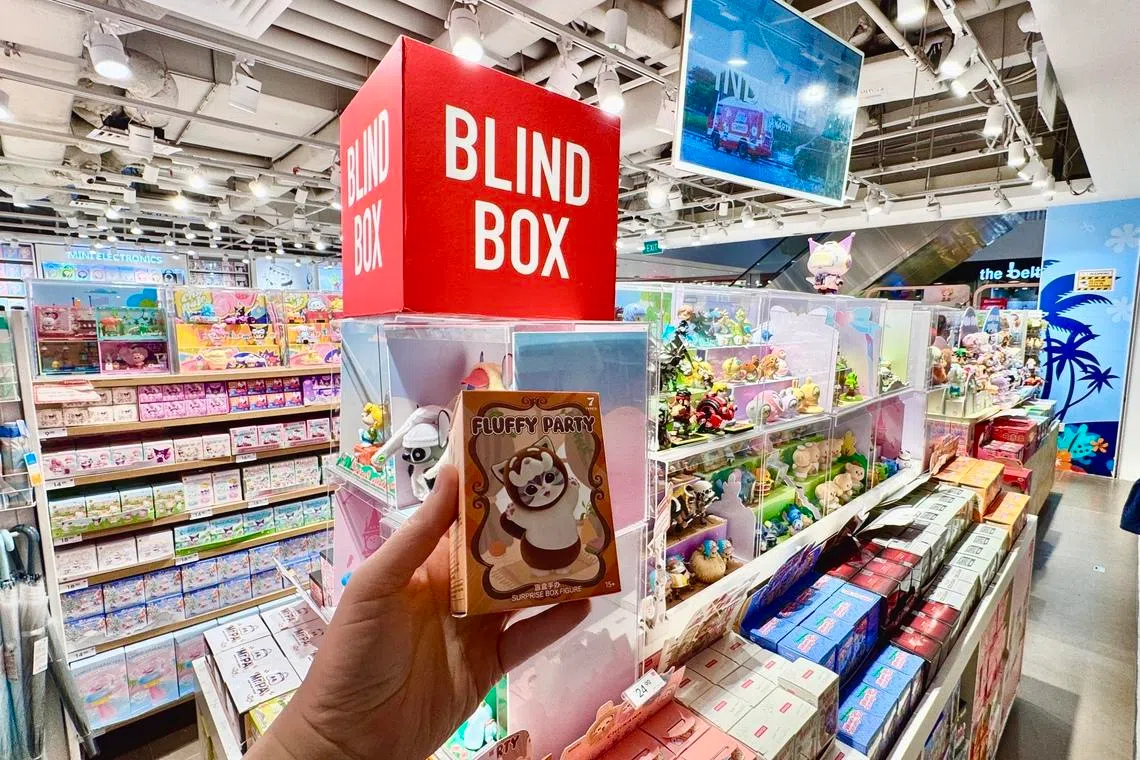
His Government was concerned about the risk of gambling and consumption of such products. Officials believe that the random nature of the blind box may encourage repetitive consumption similar to gambling, especially when consumers repeat purchases of unwanted goods in pursuit of rare items. Community groups and parents in Singapore are also concerned that blind boxes may normalize speculative consumption among young people and younger audiences. Singapore ‘ s Home Office has identified new regulations with the Lottery Authority. While the new regulations will not be published until mid-2026, the authorities have begun consultations with retailers, game companies and industry stakeholders on possible safeguards. The package is expected to be subject to broader regulation because of its similar operating mechanisms to the blind box, where consumers spend money but do not know what they buy. Regulators will focus on products that combine random incentives with strong secondary market demand, where rare cards and collections are often resold at high prices online. The authorities believe that this speculative nature increases the attractiveness of such products as gambling.
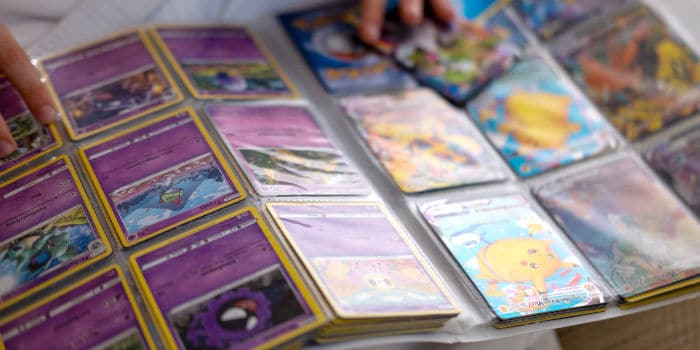
Current programmes proposed by law enforcement agencies include age limits for specific products and clearer disclosure of the drop rate of rare items. Under the new framework, both physical and digital products with a random incentive system may increasingly be subject to the same regulatory review. Retailers and specialty shops that specialize in card games are following developments closely, especially whether future rules will affect competitions, the sale of myths or age requirements. Also significant for the wider online game industry is the growing willingness of Singapore to regulate goods that are considered to be relevant to the lottery, even if they are sold mainly as entertainment or collections. For the time being, Singapore seemed determined to avoid a total blow to industry, but rather to try to balance consumer protection with the continuing commercial demand for blind box and swap card products.