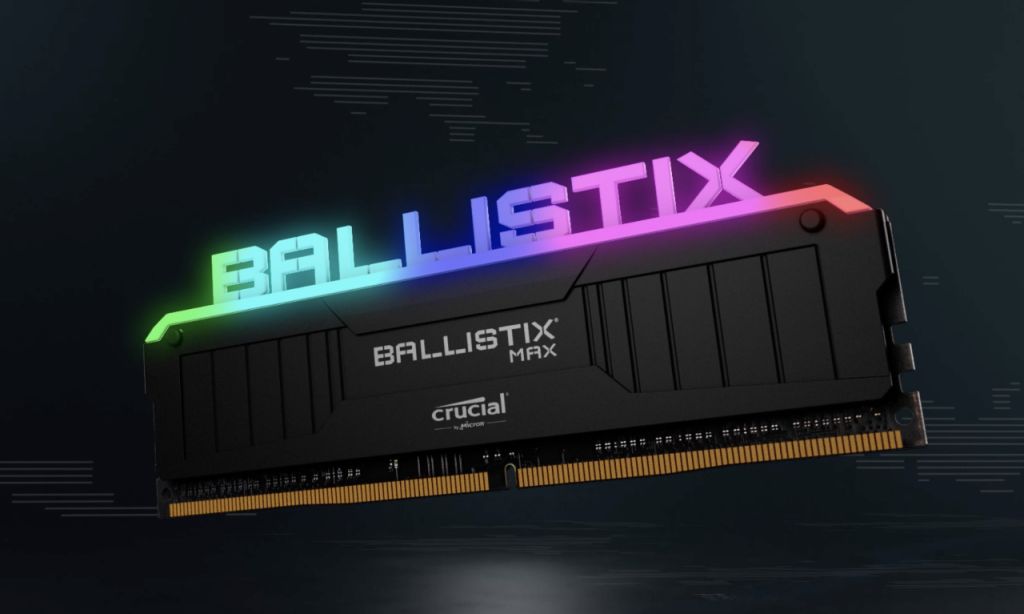
According to DIGITIMES, after Samsung electrons and SK Hercules, American light technology has now confirmed that it will stop producing DDT4 and accelerate the transition to more advanced processes such as DDT5 and high bandwidth memory (HBM), to which all three of the world ‘ s largest DRAMs will be cut off.
It was reported that Migwang had officially informed the client that his DDT4 memory would enter the final stages of the life cycle and that it was expected to phase out supply in the next two to three quarters (September to December 2025). Sumit Sadana, Executive Vice-President and Chief Commercial Officer of the United States of America, stated: “Despite the serious shortage of DDR4, the company has issued notifications to customers of the cut-off of DDR4 and LPDDR4, which mainly affect the PC and data centre markets.”
Light Light plans to gradually reduce or discontinue the production of DDT4 RAMs for consumer, PC and data centre markets in the future. Thereafter, the DDR4/LPDR4 memory will prioritize long-term partners in the areas of automobiles, industry and network equipment. These industries, which have a longer life cycle of equipment, have a higher continuing demand for DDT, similar to those in which diskettes or tape are still being purchased.
The rapid tightening of the supply of DDR4 as a result of the reduction of old production capacity by major DRAM manufacturers contributed to a significant price increase. According to DIGITIMES, the DDR4 spot price rose by about 50 per cent in June 2025, and the price of some 8GB DDR4 chips even doubled to $2.50. Samsung planned to accept the final purchase order (LBO) for DDR4 in June 2025 and ceased production at the end of the year, but its inventory was depleted ahead of schedule, making it difficult for modular manufacturers to procure. SK Hercules also plans to completely stop production of DDR4 by the second quarter of 2026, further exacerbating supplyNervous.
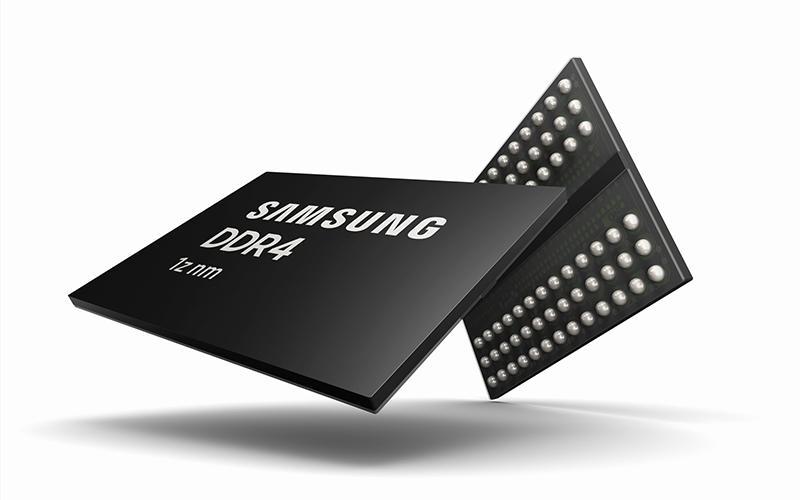
Despite the gradual replacement of DDR4 with faster and more efficient DDR5 since its launch in 2020, DDR4 has maintained strong demand in PCs, servers and embedded equipment, particularly in the value-for-money market area. However, with the shift of major manufacturers to DDT5 and high bandwidth memory (HBM), the production of DDT4 became unprofitable and contributed to the accelerated transformation of the industry.
The decision to stop the production of DRR4 in Misang marked a complete transition from the DRAM industry to the DDR5 and high bandwidth memory. In the long term, the industry will accelerate the transition to more efficient memory technologies. The growth of AI demand and the rise of CXMT could further reshape the global DRAM market pattern.